Social Media Marketing Without Brand Awareness Can Kill You
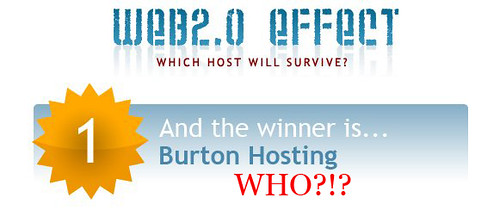
bySocial media marketing can be very effective if done the right way, but if it backfires, the fallout can be pretty undesirable. Such was…
woosidebars domain was triggered too early. This is usually an indicator for some code in the plugin or theme running too early. Translations should be loaded at the init action or later. Please see Debugging in WordPress for more information. (This message was added in version 6.7.0.) in /home/techiped/public_html/wp-includes/functions.php on line 6121simplemag domain was triggered too early. This is usually an indicator for some code in the plugin or theme running too early. Translations should be loaded at the init action or later. Please see Debugging in WordPress for more information. (This message was added in version 6.7.0.) in /home/techiped/public_html/wp-includes/functions.php on line 6121
Social media marketing can be very effective if done the right way, but if it backfires, the fallout can be pretty undesirable. Such was…