
Is Your Business Worth An Extra Hour Per Week? 5 Reasons Why Your Business Should Blog
byThis is a guest post by Preston Ehrler. As a business owner, do I really have time to blog? I’m a business owner too,…
woosidebars domain was triggered too early. This is usually an indicator for some code in the plugin or theme running too early. Translations should be loaded at the init action or later. Please see Debugging in WordPress for more information. (This message was added in version 6.7.0.) in /home/techiped/public_html/wp-includes/functions.php on line 6121simplemag domain was triggered too early. This is usually an indicator for some code in the plugin or theme running too early. Translations should be loaded at the init action or later. Please see Debugging in WordPress for more information. (This message was added in version 6.7.0.) in /home/techiped/public_html/wp-includes/functions.php on line 6121
This is a guest post by Preston Ehrler. As a business owner, do I really have time to blog? I’m a business owner too,…
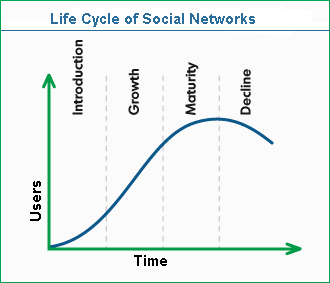
This is a guest post by Babu M. Varghese. The launch of Geocities by Yahoo marked for some the beginning of a new revolution…

This is a guest post by Shannon Evans Suetos. We live in a time where we learn more about our friends and family through…

Many tech geeks will often say that their first forays into cyberspace began with a 300 baud modem and a BBS. I’m a little…
As many of you know, Google and eBay are not on the best of terms right now. At the recent eBay Live event in…