July 20, 2007
As I become more and more immersed in the world of social media, I begin seeing how it’s not just me; social media is a tool that infiltrates our existence and our being. Consider the Digg effect: if your server is ill-prepared for a traffic spike and you hit the front page for the first time, your web host will probably disable your service contract. Within the first few hours, you’re seeing at least 10,000 visitors to your website. That’s substantial. These thousands of users are all accessing your superior content at the same time and are being influenced by what you say. In fact, social media is on the radar of many prominent news outlets. Journalists are watching what is being submitted, and more interestingly, they are watching what you say.
Two examples have arisen this past week.
In anticipation for the highly acclaimed Harry Potter novel, photographed pages of the book have already leaked onto the Internet. Within hours, the discovery was brought to the forefront of the Digg community. The Wall Street Journal covered the initial leak. What tipped them off? This TorrentFreak post seems most likely. After all, it made its way to Digg.
This is a preview of Does Social Media Have an Impact on Today’s Journalism? You Tell Me..
Read the full post (574 words, 1 image, estimated 2:18 mins reading time)
Read the full article →
November 9, 2006
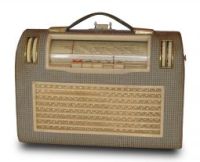
Google has already announced its desire to place its ads in print media. But the company hasn’t stopped there. Google is aiming to infiltrate the spoken word as well, as it positions itself to advertise on American radio.
Again, I believe that there’s a fundamental flaw in Google’s offline initiative, most importantly that advertisers won’t reach their desired audiences. The ads would have to be targeted very well, but with a wide variety of listeners from different backgrounds, I would find that extremely tough. The technology in print and on the radio is simply not as sophisticated as the technology that is in place on websites. Furthermore, if they’re going to ask me to access a web site, I’ll find it difficult to remember the URL when I’m driving. I also wonder how an SEO company who might pursue this option would be able to prove to its client that new traffic was driven to the client’s website through print ads or radio. The analytics of referrer pages would be lacking completely.
Read the full article →
Digital Marketing Specialist, Social Media Consultant,
and Tech Geek at Heart