In one of the most brilliant marketing moves of all time from a social media perspective, alternative rock band Weezer created an awesome video for their new single, “Pork and Beans,” using internet superstars from a handful of successful YouTube videos. Here’s a look at their amazing creation:
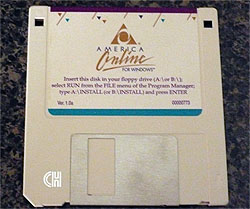
Many tech geeks will often say that their first forays into cyberspace began with a 300 baud modem and a BBS. I’m a little younger than that (finally, I can say that!), but I was an early adopter of social networks from when I first opened my 3.5″ floppy of Promenade (later to be called AOL) and signed up to use the service.
I used Prodigy, but I never was a fan of the randomly generated alphanumeric username and didn’t stick around. On the other hand, my first ever interaction on AOL was with someone who was separated from my social network by only one degree. I was 12 at the time, it was 1993, and AOL cost $5.95/hour (after a flat rate of $9.95 which included 5 hours of online usage).
As many of you know, I took off my Digg hat and put it on the shelf on January 28th after algorithmic changes at Digg made it extremely tough for me to appreciate the social news site that used to give you somewhat of a “high” for getting your stories front-paged.
In the subsequent months, many people did not follow in my lead. In fact, most of them had already left. In the past few weeks, however, even Digg’s other top users are seeing that Digg is becoming more difficult of a social news site to enjoy, and after stepping away from Digg for awhile, I have some thoughts and reflections on how it was and possibly how it should be.
Let me start off by saying that I am still a top Digg user (#42) even though I haven’t submitted in 3 months. As a top Digg submitter, it worked like this: at first, people noticed my heavy community involvement and my participation, and consequently, my submitted stories easily front-paged.
Last month, I wrote about the ease of FriendFeed to spy on your friends. In other words, I can check someone’s Friendfeed page and get any information I want about them, including when they are actively engaged in social media activities and how much of a priority social media is to them in their online habits and information consumption.
While users can opt to have private feeds, I strive for transparency and don’t mind if my content is public. I don’t mind keeping the door to my interests open and allowing people to get to know me or to know about the content that interests me.
However, in the past few months, I’ve been running into content that doesn’t necessarily fit in with my interests. Is it misleading to endorse content that someone pitches to you when you don’t necessarily agree with it (or have no interest in it) and then have it publicly available on your feed for all to see? Now that Friendfeed aggregates every social site you use (for the most part — they’re still missing some), anyone can see that you’ve just thumbed up that article on how to find porn behind a WebSense firewall even though you may have done it as a favor to your friend. (Or maybe not.)
Tamar Weinberg is a social media enthusiast with a passion for all things tech and productivity. She provides consulting in internet marketing and blogs for numerous online publications, most notably Real Simple Magazine, Lateral Action, and Mashable. She is also a former Lifehacker and Search Engine Roundtable contributor. Tamar is also the author of The New Community Rules, which is scheduled to be released in June 2009.